The debate around ceramic brake pads is a hot one. On the one hand, enthusiasts and professional racers appreciate their unique benefits that can make a big difference in performance on the track. On the other hand, many people are put off by their high cost relative to other options. It's worth considering both sides before making a final decision.
TL;DR
- Ceramic brake pads are quieter than organic or semi-metallic pads.
- They make less dust and keep wheels cleaner.
- They last longer and can handle more heat with less fading or warping.
- They can cost more than other brake pad options.
- They may need high-quality rotors and can give less stopping bite in severe-duty use.
Ceramic brake pads are most suitable for applications requiring extreme stopping power, such as motorsport. This makes them ideal for high-performance cars that need to reduce lap times by handling more heat and providing improved dissipating characteristics due to their higher thermal mass materials.
However, given the marginal benefit they may provide to everyday drivers and the often prohibitively high cost involved with installation and maintenance, it might be wise to look elsewhere if you don't have any serious performance requirements or limited financial resources disposal.
What are the Advantages of Ceramic Brake Pads in A Car?
The pros of ceramic brake pads are clear and plentiful. Firstly, they are much quieter than traditional organic or semi-metallic pads, as the noise produced by their braking event is above the range of human hearing.
Not only does this make for a more pleasant experience for both driver and passengers, but it can also be credited with making modern roads safer due to fewer audio distractions. For more detail, see what are brake pads on a car.
Furthermore, the reduced amount of dust produced by the braking process is preferred to those created by other brake pad types, as the dust generated is lighter in color and less likely to adhere to rims or body panels.
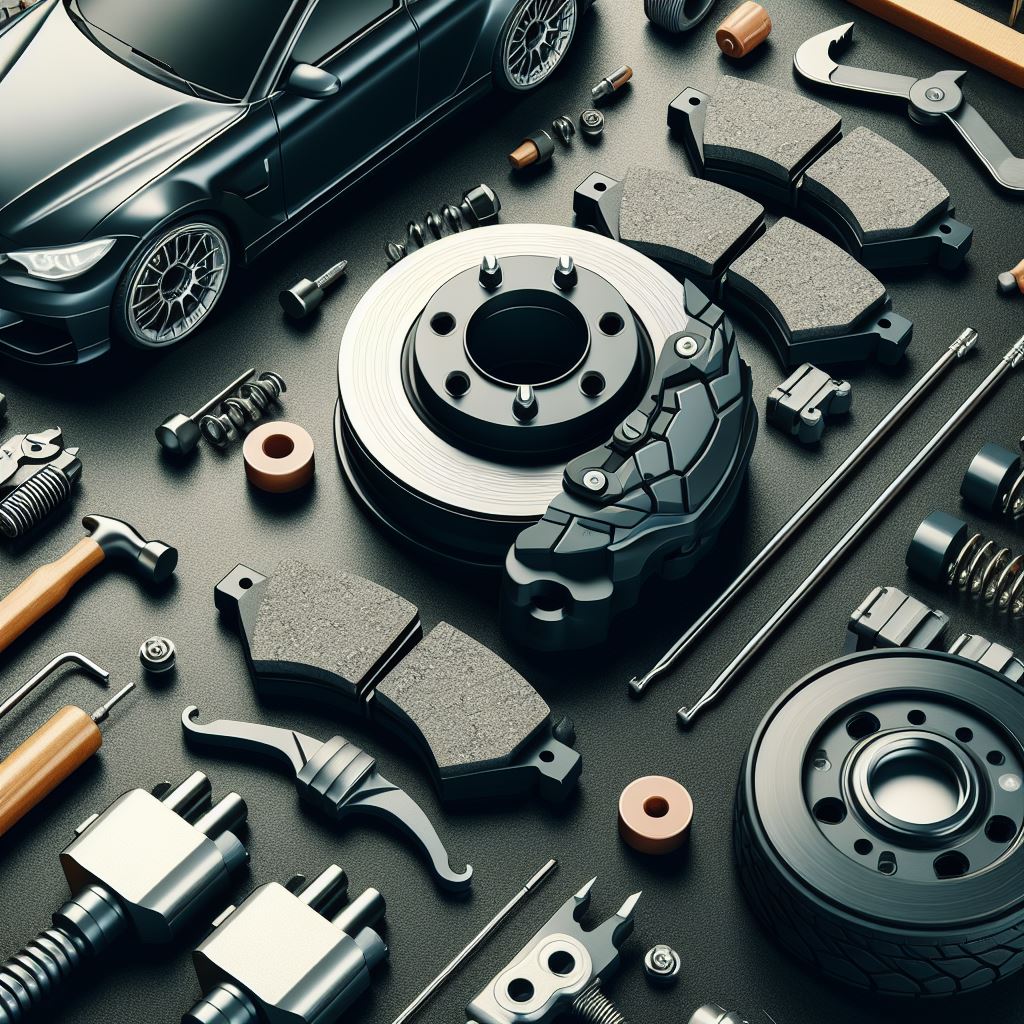
In terms of lasting advantages, ceramic brake pads boast over other friction materials, including impressive longevity when considering overall performance duration. This comes from efficient heat dissipation, which avoids fading or warping scenarios typical with organic or semi-metallic varieties.
As a result, drivers will find additional savings where replacement products become much less likely over time compared to standard brake parts manufacturing industry choices.
Don't Ceramic Brake Pads Have Any Disadvantages?
The advantages of ceramic brake pads in a car are numerous and can provide superior braking performance. Ceramic pads produce less dust and noise than traditional pads, offering a smoother and quieter ride. They also last longer than other pads and can handle much more heat without wearing down quickly or warping.
However, ceramic brake pads do have some disadvantages as well. The cons of ceramic brake pads are numerous. Firstly, they are typically more expensive than other friction material options on the market and might not be cost-effective for everyone.
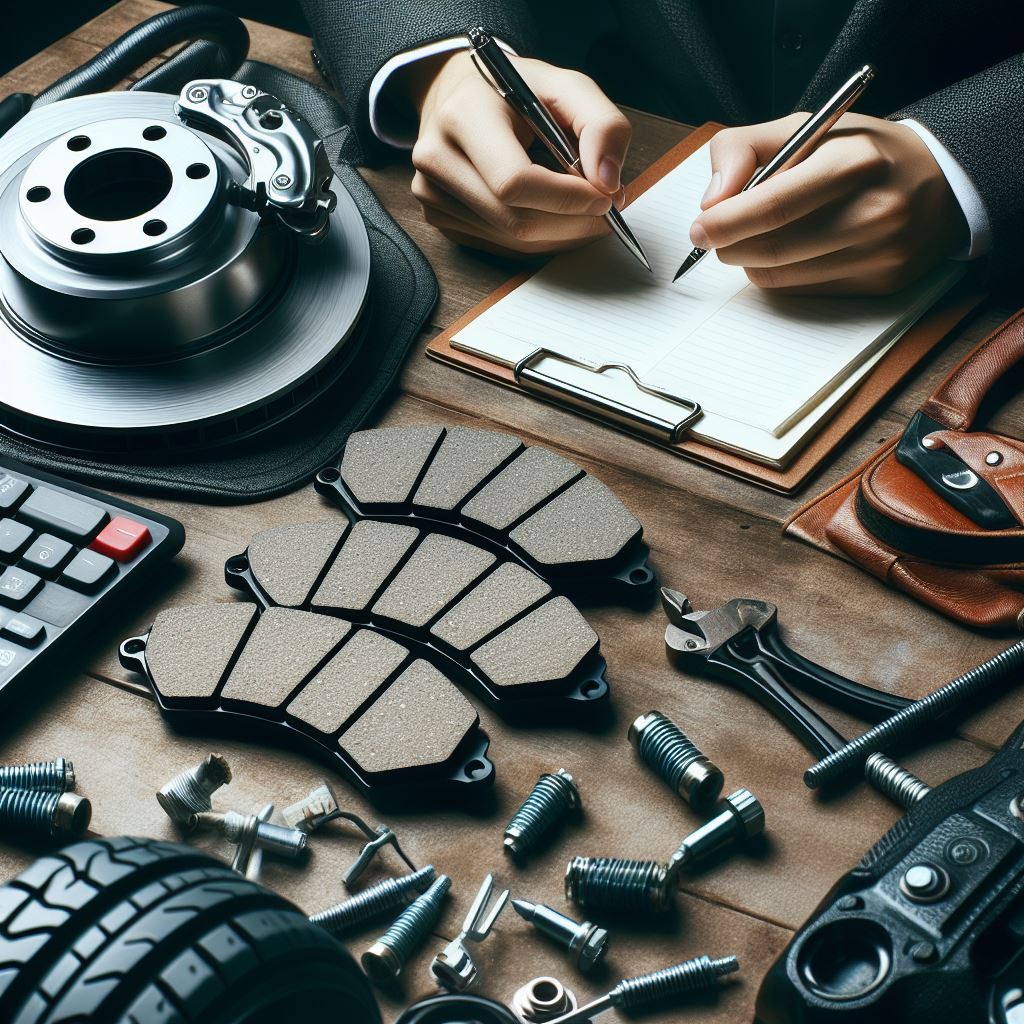
Additionally, they don’t offer as much “bite” to improve stopping power in extreme temperatures as some semi-metallic alternatives do. Since ceramic brake pads aren't as good at heat absorbency, it may lead to higher temperatures in the braking system overall.
Furthermore, ceramic brakes for severe-duty applications such as hauling require more pressure to stop effectively since there is less stopping power than in regular driving conditions. To offset this issue and ensure the proper functioning of the entire system, ceramic brake pads should only be used with high-quality rotors that have been engineered to work together properly. You can also read are ceramic brake pads.
If all parts integrated into the braking system aren't up to par, it could cause excessive rotor wear, damaging the whole system.
What's Ceramic Brake Pads Durability?
Ceramic brake pads are a popular choice for car owners because of their durability. They provide superior stopping power, create less dust and noise than traditional metallic brake pads, and last longer than their metallic counterparts.
Ceramic brake pads are made from a combination of ceramic materials, including ceramic fibers and other compounds that work together to absorb heat and reduce friction. The result is a more efficient braking system that lasts longer and produces less dust.
Furthermore, ceramic brake pads are resistant to brake fade when braking power decreases due to excessive heat or extended use. This means you don't have to worry about your brakes losing effectiveness over time, as they will remain reliable for long periods.
In addition, ceramic brake pads also require less force than metallic ones, which can reduce wear and tear on the brake system.
Reasons to Get Ceramic Brake Pads
Ceramic brake pads are a great choice for any car owner looking to upgrade from traditional friction brakes. There are many advantages to ceramic brake pads, including improved performance and noise reduction. Here are some reasons to consider getting ceramic brake pads for your vehicle.
1. Improved Performance: Ceramic brake pads perform better than traditional friction brakes due to their heat-dissipating properties. This means your brakes can handle more heat and remain effective for longer.
2. Less Dust: Ceramic brake pads produce less dust than traditional pads, which helps keep wheels clean and reduces the need for frequent wheel cleaning.
3. Less Noise: Ceramic brake pads are much quieter than traditional metallic pads, so you can enjoy a quieter ride.
4. Longer Lasting: Ceramic brake pads last longer than metallic pads, so you won’t have to worry about replacing them as often.
5. Reduced Wear and Tear: Ceramic brake pads require less force than traditional metallic ones, which reduces wear and tear on the brake system. This means your brakes will last longer, and you won’t have to worry about them wearing out prematurely.
Frequently Asked Questions
1. Are Ceramic Brake Pads Good For Cars?
2. Why Are Ceramic Brake Pads Better?
3. What Type Of Brakes Are Best?
4. How Long Do Ceramic Brake Pads Last?
5. Which Brake Pads Wear Faster?
Additionally, brake pad wear is also affected by heat and friction over time. The axle on which your brakes are located can also impact the amount of wear and tear your pads experience.
Conclusion
Ceramic brake pads have several advantages over traditional metallic ones. They provide improved performance, less dust and noise, longer life, and reduced wear and tear on the brake system. Ceramic brake pads are a great option for any car owner looking to upgrade their brakes.